What is hiking?
Why is it called hiking and not walking? What is the difference between day-hiking, hut-to-hut hiking, trekking or mountain climbing? When is it a thru-hike? This blogpost explains it all in an easy to understand way.
Hiking vs. walking: how to define hiking
We’ve both always loved being outdoors and long walks. Literally since we were kids. We probably would have felt the exact same about hiking, but Denmark isn’t exactly known for hiking. The landscape primarily consists of woods and fields with smaller hills, and the highest point is only about 170 meters/560 feet above sea level. So, Denmark is just more prone to walking rather than hiking in our opinion. Even though the two terms – walking and hiking – can be difficult to separate.
Because what is the difference between walking and hiking really? Fun fact, Ditte wrote her master thesis in Psychology about hiking (get to know more about us). In her thesis she concluded walking as an implicit part of hiking, and that in its most basic form, hiking can be described as “walking for recreational reasons at a moderate walking pace”. More importantly she concluded that hiking is a dynamic and diverse activity that spans several terms and definitions. Thus, the exact definition may be best defined subjectively. She chose to use this broad definition of hiking in her thesis:
“…hiking encompasses a wide range of activities, ranging from recreational walks in nature to longer and more demanding multi-day trips, such as trekking or long-distance hiking.”
Who can hike?
We’d almost go as far as to say that everybody can hike, but that might be a little step too far. Although the amazing thing about hiking is that it is not determined by your age, gender, weight, height, race, origin, economy, physical abilities, interests and so on. Whoever wants to hike, can hike -ish. Of course there can be limitations for everybody, both small and big. For example if you have some physical disabilities, especially if in a wheelchair. But not impossible. We’ve hiked several day-hikes that have been durable for people in wheelchairs.


These show a small variety of the hikers we have met on trail
In general hiking represents a low-cost, low-resource, accessible and suitable outdoor activity in nature for most people. As a nature-based recreational activity, hiking offers a practical, “do-it-yourself” approach, where you yourself can choose the duration, where and how you want to hike. Hiking trips can thus be planned and adapted to your individual preferences, skills and needs (e.g. seeking out the familiar or the unfamiliar, socializing or alone time, tranquility or challenge). Therefore, we repeat the famous words of others: hike your own hike!
Here is an overview of different hiking types
Why is it good to know the difference between different forms of hiking? Well, put simply a day-hike and trekking for example have different requirements in regard to gear, navigation and planning. The mental and physical preparation and abilities as well. So is the case with differences between embarking on a mountain climb to reach the summit of for example Mt Kilimanjaro in Tanzania or hut-to-hut hiking in the Dolomites in Italy. Oh, and just in case you stumble across some terms or already have a few in mind, where you aren’t exactly sure of their meaning: maybe our Glossary can be of help (if you can’t find the word or have some other feedback, don’t hesitate to let us know)


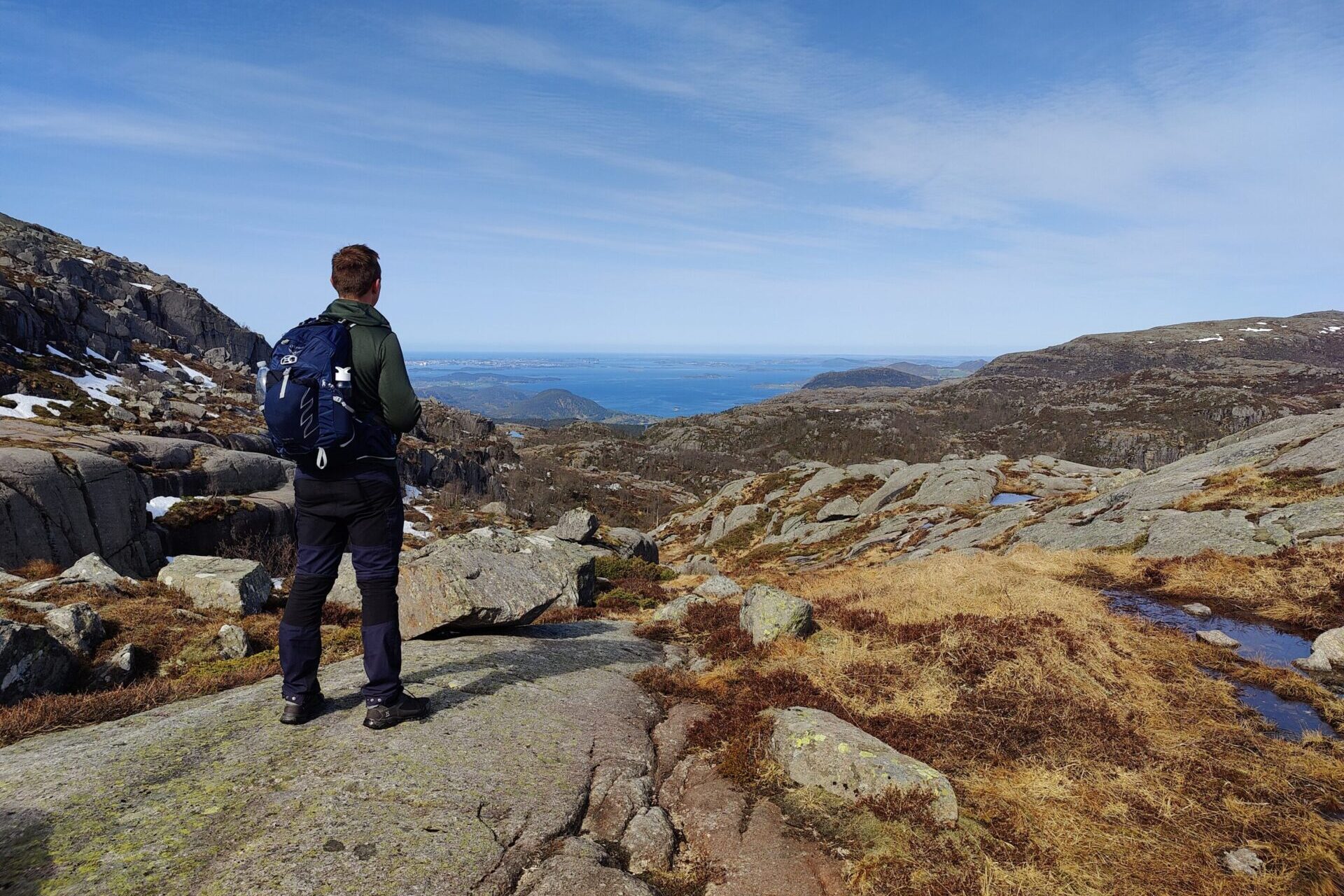
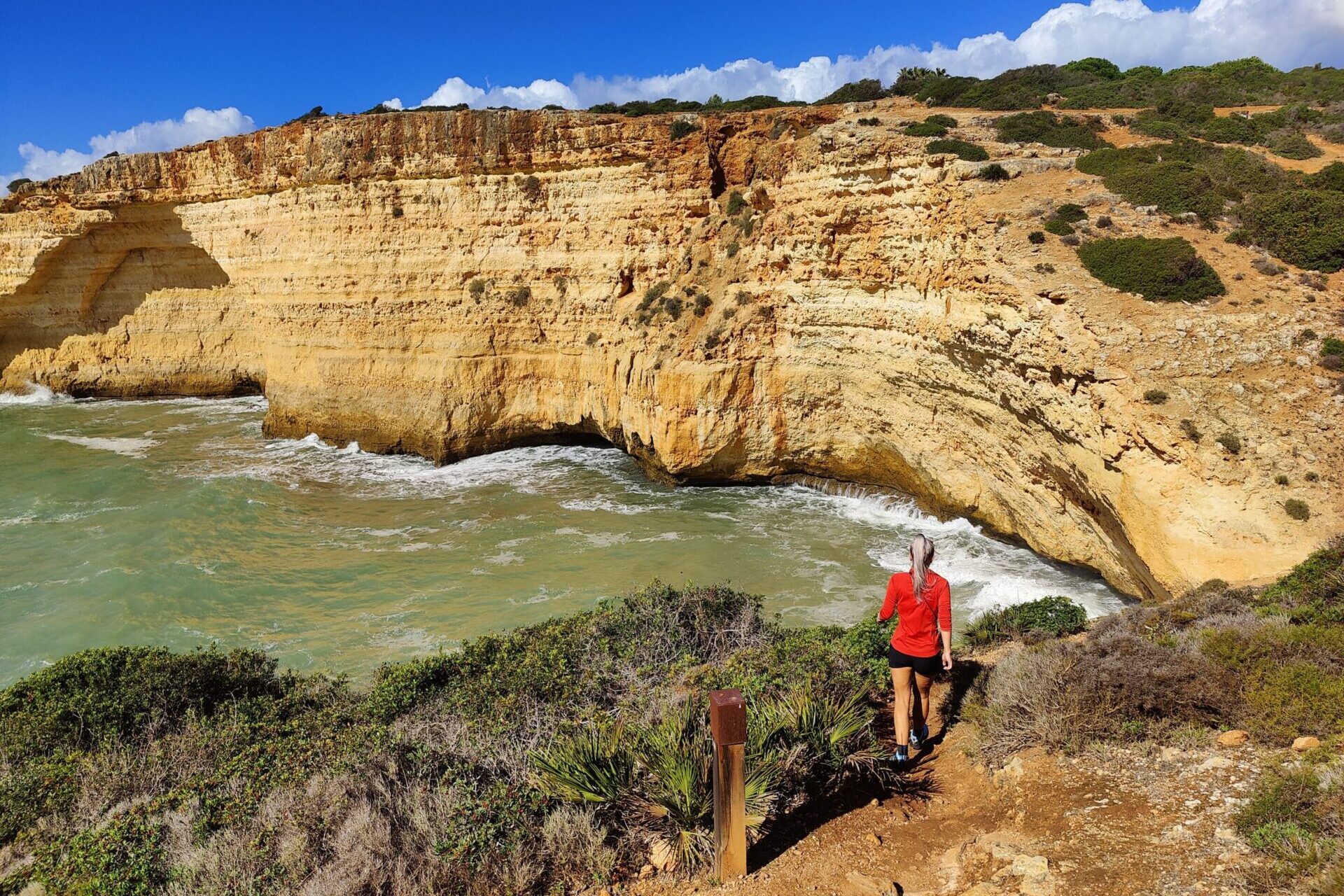
Days hikes from different countries around the world
Day-hiking
The term almost explains it. It is when your hiking trip takes no longer than a day. However, the duration of the hike can vary a lot. It depends on the length of the trail, terrain in which it takes place, weather conditions, elevation gain, how much gear/stuff you have to carry, your physical form and pace. Sometimes you can just go as you are, with absolutely no gear other than a comfortable pair of shoes. Other times you’ll need to bring real hiking shoes (trail runners or even hiking boots), different clothing options, some food and water.
Everybody has to start somewhere, and day-hiking is without a doubt our recommendation. We started with many day hikes, in different countries, through various terrains, lengths, elevation gain, skill level etc. Through time we’ve become more experienced hikers. Although we still have plenty to learn!
Some awesome hiking destinations for beginners (and more experienced hikers) in Europe include Switzerland, Spain, Portugal, and Tenerife. We have made more general and short Quick Guides for all destinations we have visited – including all of the mentioned, if you would like to know more.
Trekking
Several things separate trekking from hiking. First of all, trekking takes more than one day and therefore includes at least one overnight stay on the trail. Not literally on the trail, you have to find a good campsite to pick your tent and stuff (unless wildcamping is prohibited in that particular area or country. More on that in the sections below).
No surprise that trekking requires more technical gear, such as a tent or hammock, sleeping bag or quilt, sleeping pad, cooking gear and food, water supply, maybe different clothing options as the weather and temperatures changes over time etc. Also the further you go the better navigation skills you might need. Maybe you’ll have to plan for when to arrive at a certain point, where to resupply water or set up camp. Your body and mind needs to be able to endure being on a several day hike which can be quite demanding. But equally rewarding too!


Small selection from some of our multi-day hikes
Hut-to-hut hiking
Pretty simply put this form of hiking refers to hiking throughout the day, spending the night in a “hut”, continuing to hike the next day, spending the night in another “hut” etc. etc.
If wildcamping is prohibited, which is unfortunately the case in most of Europe, you’ll have to find a campsite (either for tents or just a plain regular campsite) or hut to stay in for the night. Otherwise you risk being fined, ordered to leave and such. Although sometimes an informal rule applies: if you are above the tree-line (the altitude where trees stop to grow), it is okay to camp, as long as you arrive late, leave no trace and leave early morning. In other words: do not disturb anyone or anything. Sometimes you can also sleep in something called a refugee. Refugees are basically and primarily used for overnight hikers in specific areas and on specific trails. Not anything fancy, just a bunch of hikers sleeping in bunkbeds in the same room. We actually did just that in Morocco while hiking in the Atlas Mountains for about 6 days including summiting Mt. Toubkal at 4.167 meters/13.671 feet above sea level.
Yet again, this form of hiking has different requirements to planning and navigation skills than for example trekking. Because when trekking, you can more or less camp whenever and wherever you want, whereas when hut-to-hut hiking you’ll need to be at a specific place at a specific time. In regard to gear you often have to carry less, as a tent is unnecessary, many places offer food so you won’t have to carry that etc. On the other hand it quickly becomes a lot more expensive, because you have to pay for a place to stay and meals. Everything has pros and cons.
Mountain climbing
Going mountain climbing often requires a way more advanced skillset level and technical gear. Depending on the type, height and terrain, some even require you to have a guide with you. So make sure to check the local requirements while planning and doing your research.
A reason why is that it can be dangerous. Not that day hiking or trekking can’t be, but the higher above sea level you go, the harsher conditions tend to get which equals higher risk of getting injured or worse. We won’t cover that in more detail here. Just be aware of it, make sure to do extensive research, and don’t grasp higher than you can reach. For some inspiration we urge you to read about our former project Climbing Mt. Kilimanjaro that gets into more detail about mental, physical and practical preparation, our experiences and much more.
It might sound cool to have summited Everest Base Camp, but we’ll guarantee that getting injured or worse is not worth the approval or recognition you might seek from yourself or others. Sitting at the summit of a mountain like Mount Teide at 3.715 meters/12.200 feet above sea level offers equally amazing views, and requires a lot of effort. So what we are trying to say is: maybe start in the small and let yourself naturally progress towards the bigger more challenging hikes and climbs. You will get there, if you really want to.


Testing our gear for our PCT thru-hike
Let’s talk about thru-hiking
Thru-hiking is a form of hiking that seemingly keeps increasing in popularity. You might’ve heard of some of the most iconic trails like the Pacific Crest Trail, the Appalachian Trail, Continental Divide Trail, Camino de Santiago, Tour de Mont Blanc or Fisherman’s Trail? We can assure you that there are a lot more, just as amazing long-distance trails all over the world.
Some span less than 100 kilometers/62 miles, while others span through several countries or states reaching several thousand kilometers. As you probably have guessed these long-distance hikes can take both weeks and months to complete. A thing all thru-hikes do have in common is the act of hiking the long-distance trail from beginning to end in one continuous trip. Even a trail like the Pacific Crest Trail which has a length of 4,265 km/2,650 miles that on average takes 5 months to complete. If hiking only a part or section of the long-distance trail, it is logically just called section hiking.
We are actually attempting to thru-hike the Pacific Crest Trail in 2026. So, if this has awakened some interest, we highly recommend you check out our page about this project called PCT & Thru-Hiking. Furthermore, we also have a YouTube Channel and our Instagram, where you can follow along our adventure.
Therefore, thru-hiking is known as a more extreme form of hiking due to the immersive challenge and experience it usually is for the hikers embarking on such an adventure. Not to forget, it demands A LOT of research and preparation both mentally, physically and practically to endure such a project. It requires more extensive physical endurance, lots of mental strength, more advanced level of navigation, planning and survival skills, a good bit of more technical and quality gear etc.
You may also like

Living in Costa Rica for 3.5 Months: What We Finally Understand (And Why We’re Ready to Leave)
When we wrote our first blog after two months in Costa Rica, everything still felt new. We were waking up to sounds we couldn’t quite place. Birds, insects, something moving in the trees. Sitting with our morning coffee a little longer than usual, watching macaws fly...

Dear Fellow “Late-Starters”
This blogpost originally appeared on The Trek, which you can read here. We’re starting NOBO May 5. Which puts us in the last 3rd of 2026 PCT NOBO thru-hikers. There’s pros and cons to starting in March, April, or May. Any time really. A good few would argue the sweet...

Costa Rica Expectations vs Reality After 2 Months Living Here
For a long time, Costa Rica had been high on our bucket list. Actually it was high on our consideration list back in winter 2024, but ended up going to Texas, US (Psst Check out our video from that roadtrip). The idea of jungles, incredible wildlife, beautiful beaches, and a laid-back lifestyle felt like exactly what we have always been looking for. Now was the time for that experience!

Abous Us
Hi there! We are Ditte & Benjamin, a couple going for our dream. We have said goodbye to our known life in Denmark, and hello to an unknown life abroad.
Tag along on our adventure as we explore the wide world, tell stories, embrace the journey and create a life where every horizon is just the beginning. Sharing raw, authentic, and breathtaking moments from a life without limits.



0 Comments