Quick Guide: Morocco
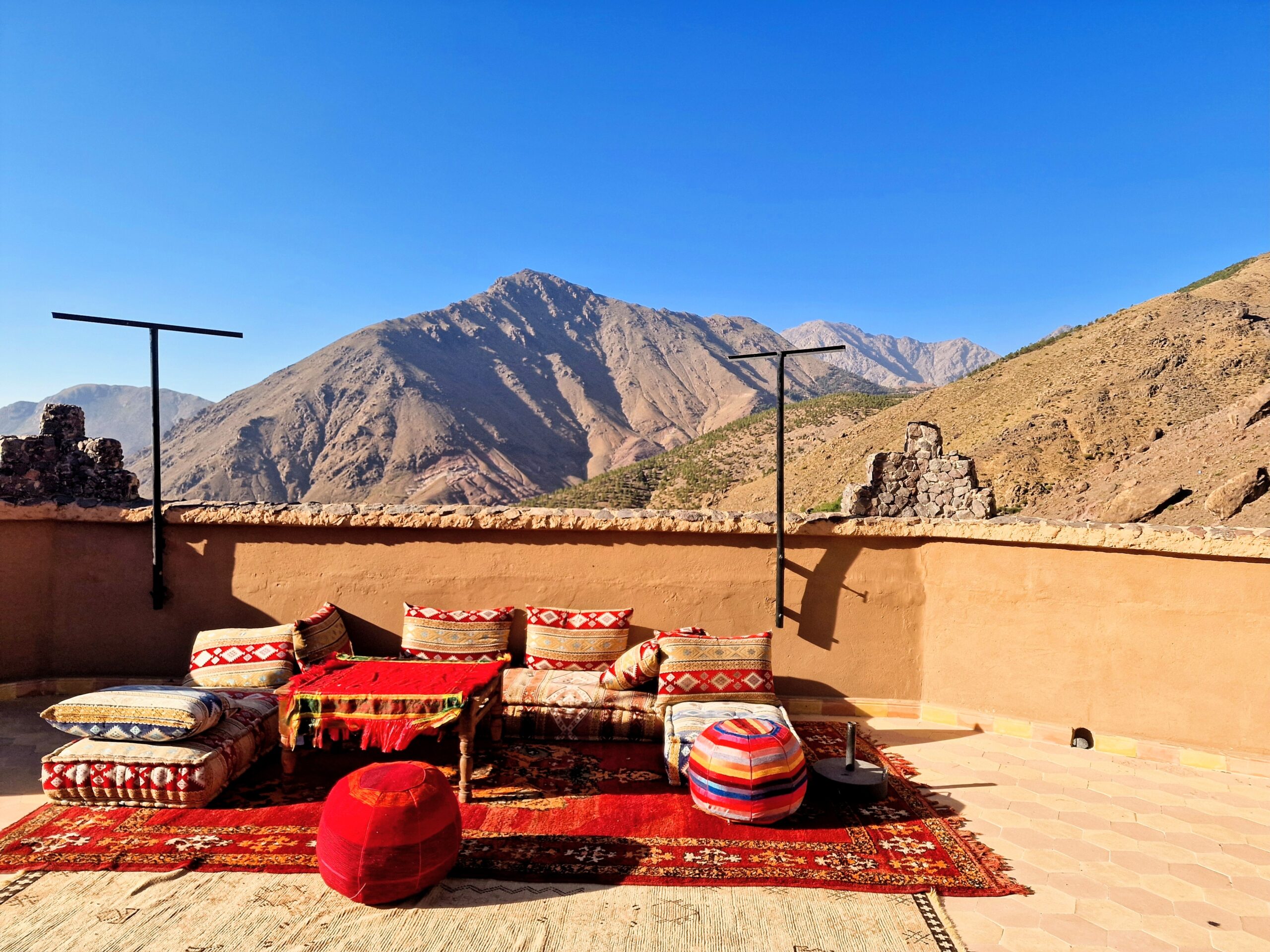
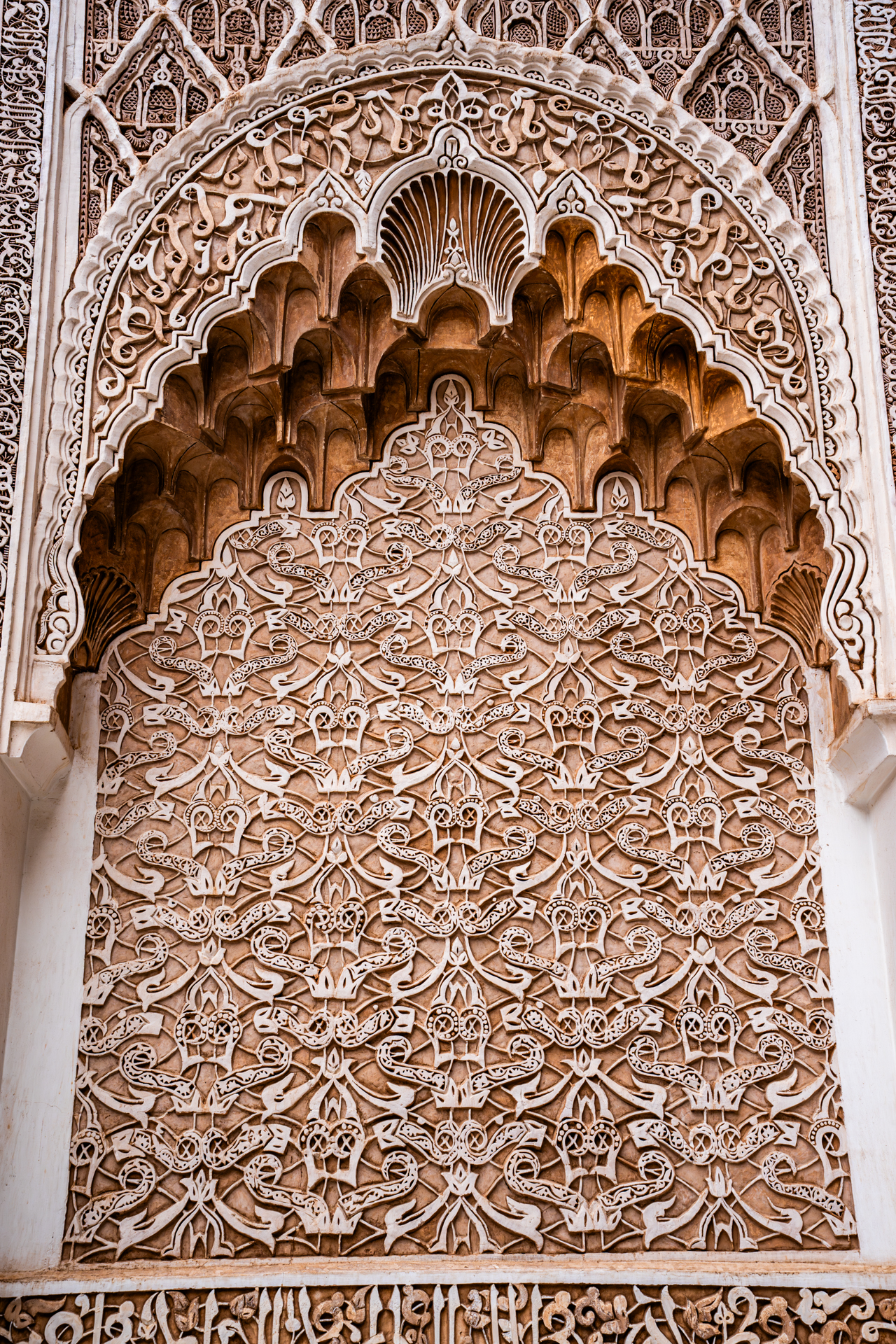
The mesmerizing landscape varies from the Atlas Mountains with Mt. Toubkal to the Sahara Desert and Moroccan earthen clay architecture.
What we think you NEED to know
-
There is, as in many other contries, a lot of scammers trying to lure money out of tourists in different ways. E.g. by showing you the way to an attraction or calling you inside their shop.
-
Accommodation is usually in Riads, traditional Moroccan houses. Beautiful and charming, BUT there isn’t always a pool (especially in bigger cities), so make sure to check that when booking.
-
Renting a car is just the same as in European countries. We rented from SIXT with no problems, the driving was easy and it allowed us to be spontaneous and do our trip as we wanted to.
-
Visiting in June, July, and August is generally not recommended. The climate is very dry and hot with temperatures often exceeding 40°C/104°F. Often highter inland and in the Sahara Desert.
Our key moments
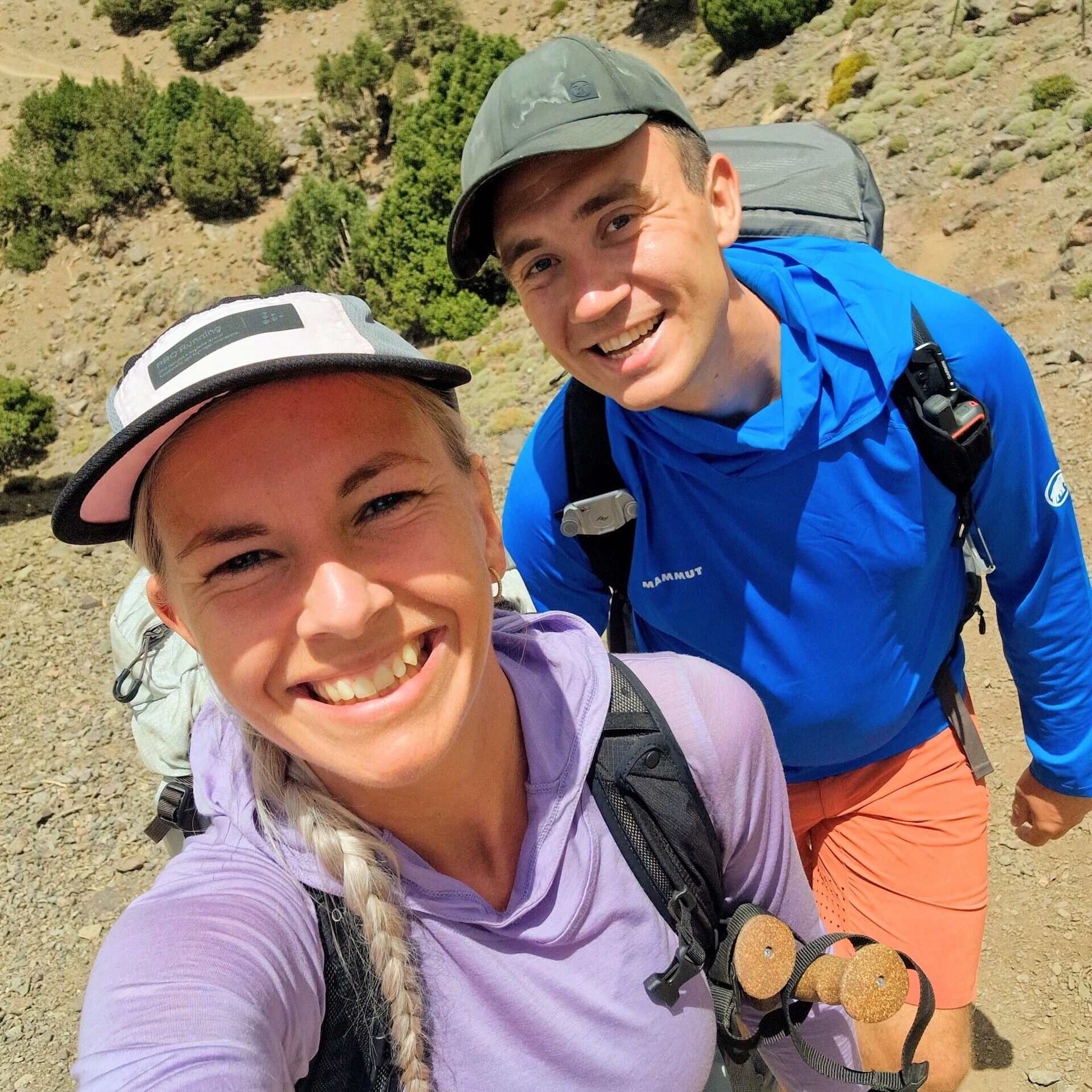
- Hiking in the Atlas Mountains and climbing Mt. Toubkal. Mostly because of our local guide Hasan who showed the amazing nature, taught us about his culture and values.
- Renting a car so we could plan our own roadtrip down South and back, be more spontaneous about which stops to take and what time a day to avoid other tourists.
- Driving via N23 from Marrakech to Quarzazate where it meets N17. Here we really got to see the “real” Morocco, experiencing some it’s most beautiful nature and architecture.
- We got to experience a culture, architecture and landscape like no other we’ve encountered before. Therefore, the whole trip was a key moment for us.
High season: March-May and September-October
Currency: Moroccan Dirham 1 MAD = 0,094 EUR/0,11 USD
Population: 38 million people living on 446,550 km²
Location: North African country bordering the Atlantic Ocean and Mediterranean Sea
Weather: Mediterranean climate with four seasons
Driving in Morocco:
The roads were overall really good, almost all of them newly paved. The signing is easy to follow.
Don’t drive when it is dark. There is little to no street lighting. Many cars drive with bad or no lighting at all. There is a higher risk of unwanted experiences.
Expect multiple police check-points. Often in or/and out of cities. Don’t exceed the speed limit, turn of music and just relax.
This will be NICE to know
-
If you are driving from Marrakech down South, then you have to take the scenic “old road” N23 at least one way. Amazing and SO worth it!
-
The mountain village Imlil is an absolute must visit. Surrounded by the Atlas Mountains makes it the perfect base to explore the landscape.
-
The pro’s of going in early-mid June: temperatures are high but usually not as extreme as in July, fewer tourists and lower prices in general.
-
Locals drive fast in general. It’s an advantage to be a more experienced driver who doesn’t mind feeling the speeder a bit more than usual.
-
For women it is respectful to cover shoulders and cleavage, also knees particularly when visiting religious sites or rural areas. No need to cover hair. Moroccans are polite and used to tourists from other cultures.
Driving in Morocco:
The roads were overall really good, almost all of them newly paved. The signing is easy to follow.
Don’t drive when it is dark. There is little to no street lighting. Many cars drive with bad or no lighting at all. There is a higher risk of unwanted experiences.
Expect multiple police check-points. Often in or/and out of cities. Don’t exceed the speed limit, turn of music and just relax.
Our favorite locations
- The mountain village Imlil. The locals are so friendly and humble, and the views are just beautiful. Plus going on a hike has never been easier.
- No surprise: the Sahara Desert. It feels surreal to sleep and be surrounded by sand and even more sand. Also the dry heat. Very cool.
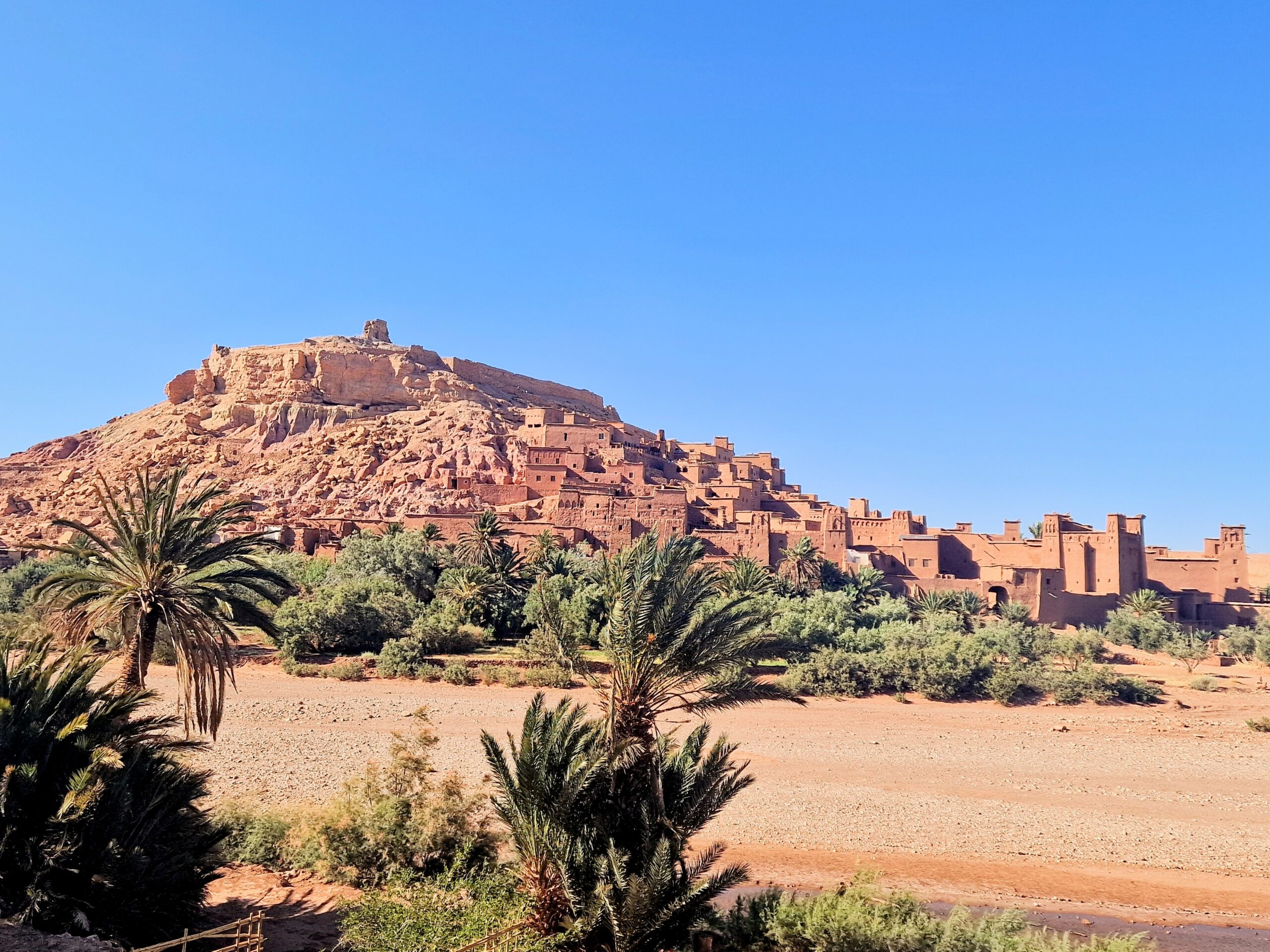
- The red, earthen clay architecture in general. Aït Benhaddou is a really fascinating example of that and hence, also a popular one.
This Quick Guide is just a glimpse of Morocco. The country is big and has a lot more to offer than we managed to discover and experience in just two weeks. We’ll probably go back one day.






0 Comments