
Why the Sony A7 IV and DJI Osmo Pocket 3 is the perfect combination for us
Every time we set out on a new adventure, we aim to capture the world exactly as we experience it. In the beginning, it was simply for ourselves — memories to look back on in the future. But since starting Chasing Endless Horizons, documenting our journey has taken on a deeper meaning. It’s become a way to share the moments that move us, the places that inspire us, and the people we meet along the way.
For us, the Sony A7 IV and DJI Osmo Pocket 3 are the perfect duo — versatile, lightweight, and capable of bringing every story to life just the way we see it.
Versatility, Semi Light, Professional Quality — Our Focus Areas
From the very beginning, we knew that if we wanted to travel the world full-time, our equipment had to meet three criteria: Versatility, light weight, and professional quality. This focus is how we typically choose all of our equipment and gear. We wish to limit our amount of equipment we take with us, so therefore we need our equipment to be versatile and try to avoid single-use products.
Whether we are on a roadtrip, hiking for hours in the mountains or taking pictures in the small villages, we rely on our camera equipment to help tell our story exactly as we see it. If you keep exploring our website or our Instagram you can see what we are talking about.
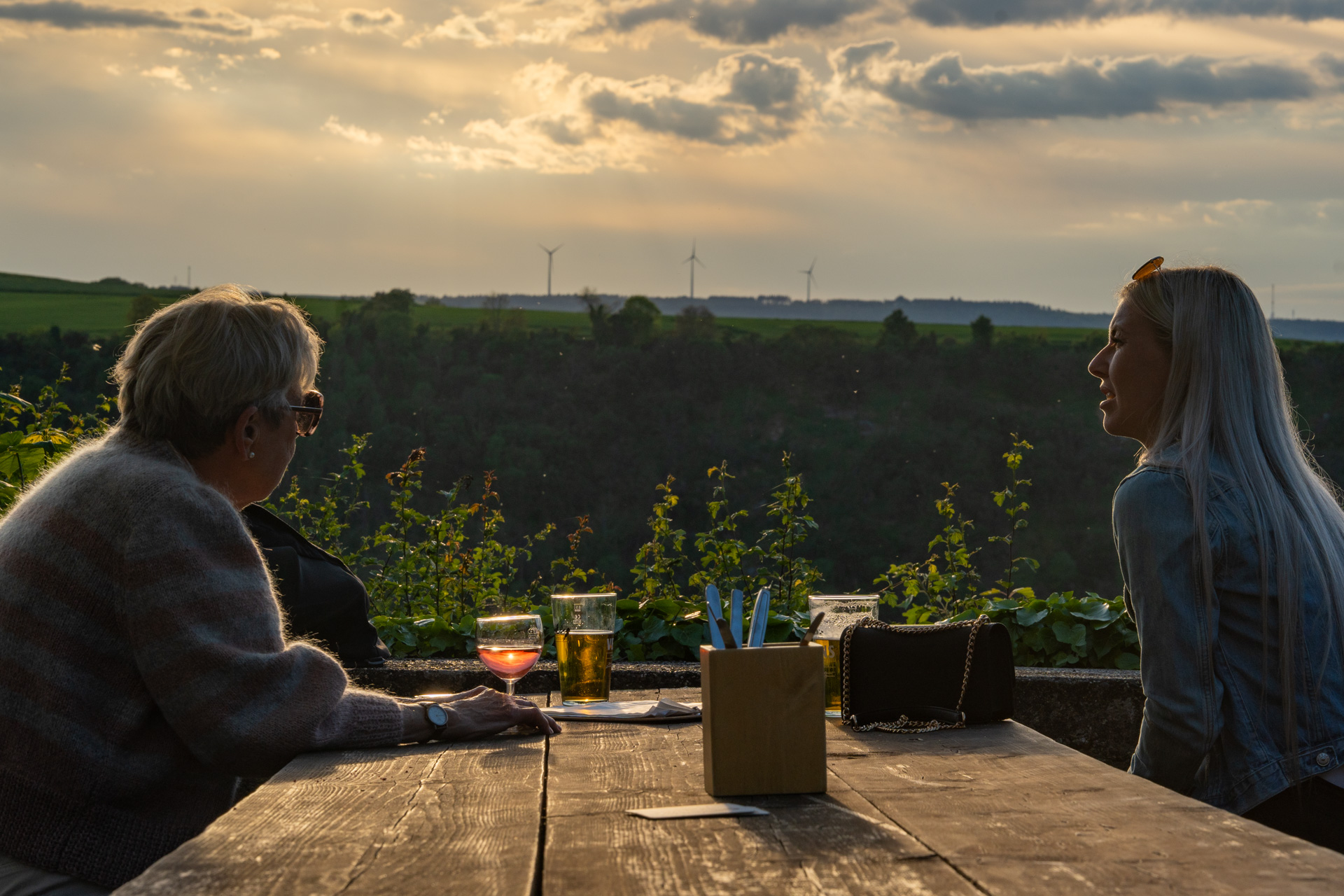


Showcase of the variety the two lenses can produce
The Sony A7 IV – The Heart of Our Visual Storytelling
Choosing the Sony A7 IV as out primary camera wasn’t an easy decision. For both of us – especially Benjamin – having a high quality camera that we knew could deliver professional quality while remaining ‘semi-lightweight’ was essential.
Benjamin has previously had a big interest for photography, but even since his last camera was stolen in 2020, that passion was put on a hold, until we decided to invest in the Sony A7 IV., that happened to reignite that spark completely and even managed to spark a large interest in Ditte as well.
The Sony A7 IV is now the centerpiece of how we tell our story, whether it is photography or videography. The camera is a full-frame sensor carmera with a dynamic range and incredible reliable autofocus that allow us to capture everything from cinematic photos of landscapes in Switzerland to close up video of Puffins in Iceland to pure authentic human emotion – no matter where and the conditions. It is powerful, dependable and it helps inspire us to continue to just create.
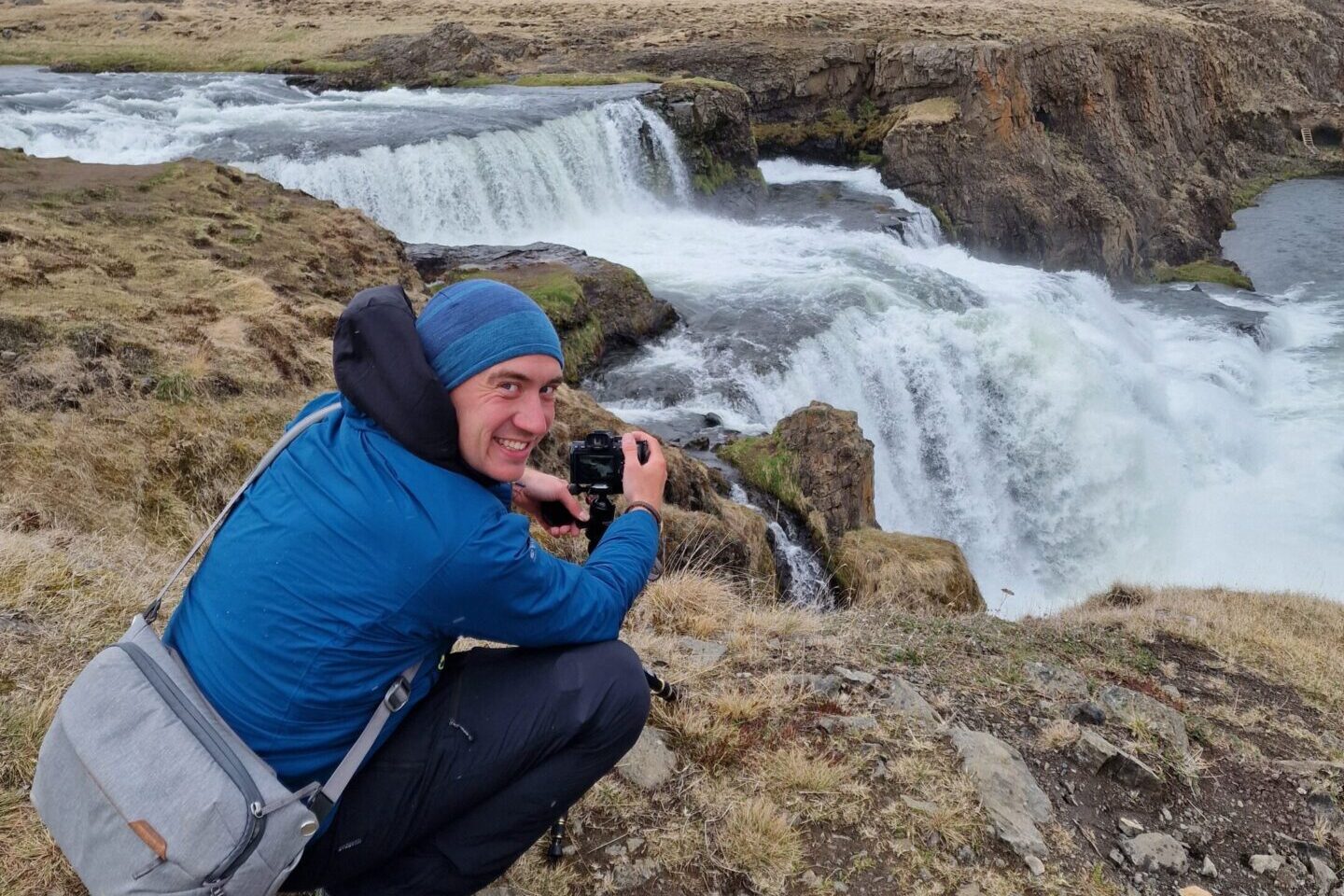


How our photos would look if we only used the phone
The Great Range We Get With Tamron Lenses
Choosing the ‘right’ lens was probably the most difficult part of choosing our mirrorless camera. Together with Sony A7 IV we did after hours of research decide that two different Tamron lenses was the best way for us to go: Tamron 70–180mm f/2.8 Di III VXD G2 and Tamron 28–75mm f/2.8 Di III VXD G2. Tamron just hit the right spot for us with a perfect combination of high performance, lower price and less weight.
We asked us selves the same questions many times before deciding, should we get one Sony lens or for about the same money as we could get two separate lenses which would allow us to get the 28–75mm which would cover our everyday and wide-to-standard range needs, while the 70–180mm gave us extended reach for portraits, wildlife, and details in the distance. You might want to check out our photography portfolio where you see a broader selection of our photographies and see the difference between the two lenses.
How we use Tamron 28–75mm f/2.8 Di III as our everyday lens
The Tamron 28–75mm f/2.8 Di III is our all-round lens, the one that rarely leaves the camera. The 28–75mm range covers everything from wide landscapes to portraits and small details, all with a bright f/2.8 aperture that performs beautifully in both daylight and low-light conditions.
We use it for travel scenes, hiking shots, landscape photos, family and friend gatherings and so much more. It’s lightweight, sharp, and incredibly versatile. A true workhorse for our everyday storytelling together with Sony A7 IV.

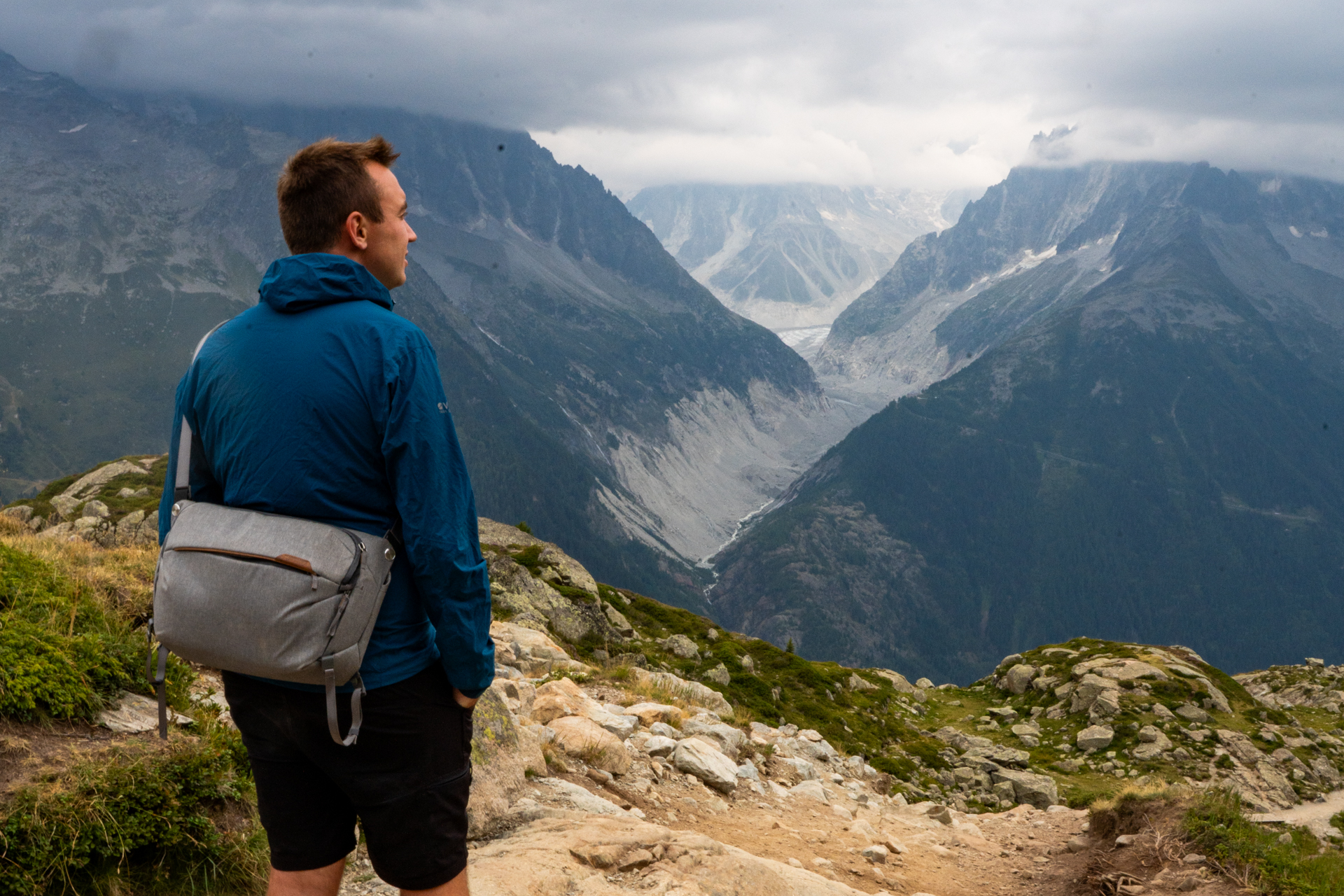
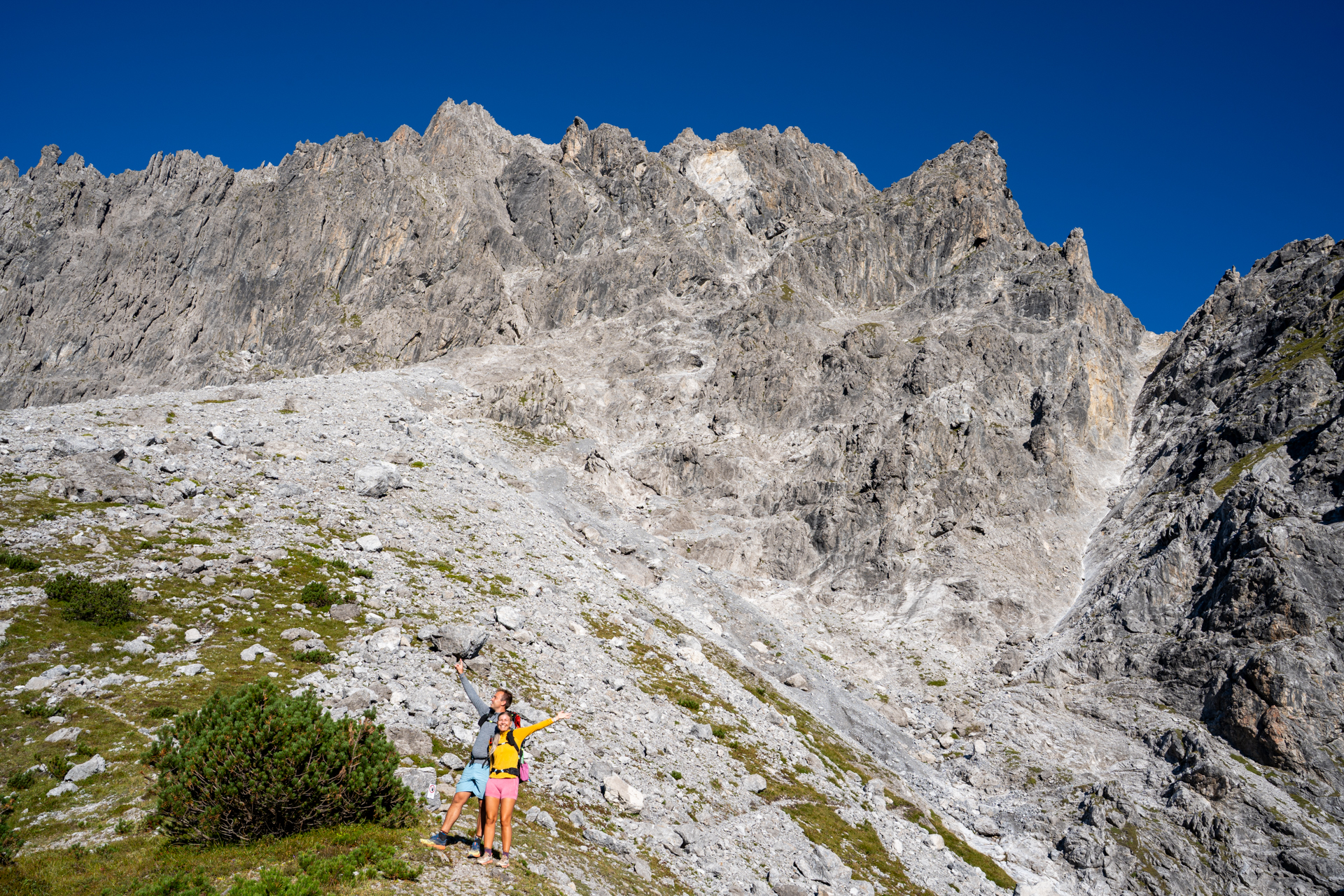
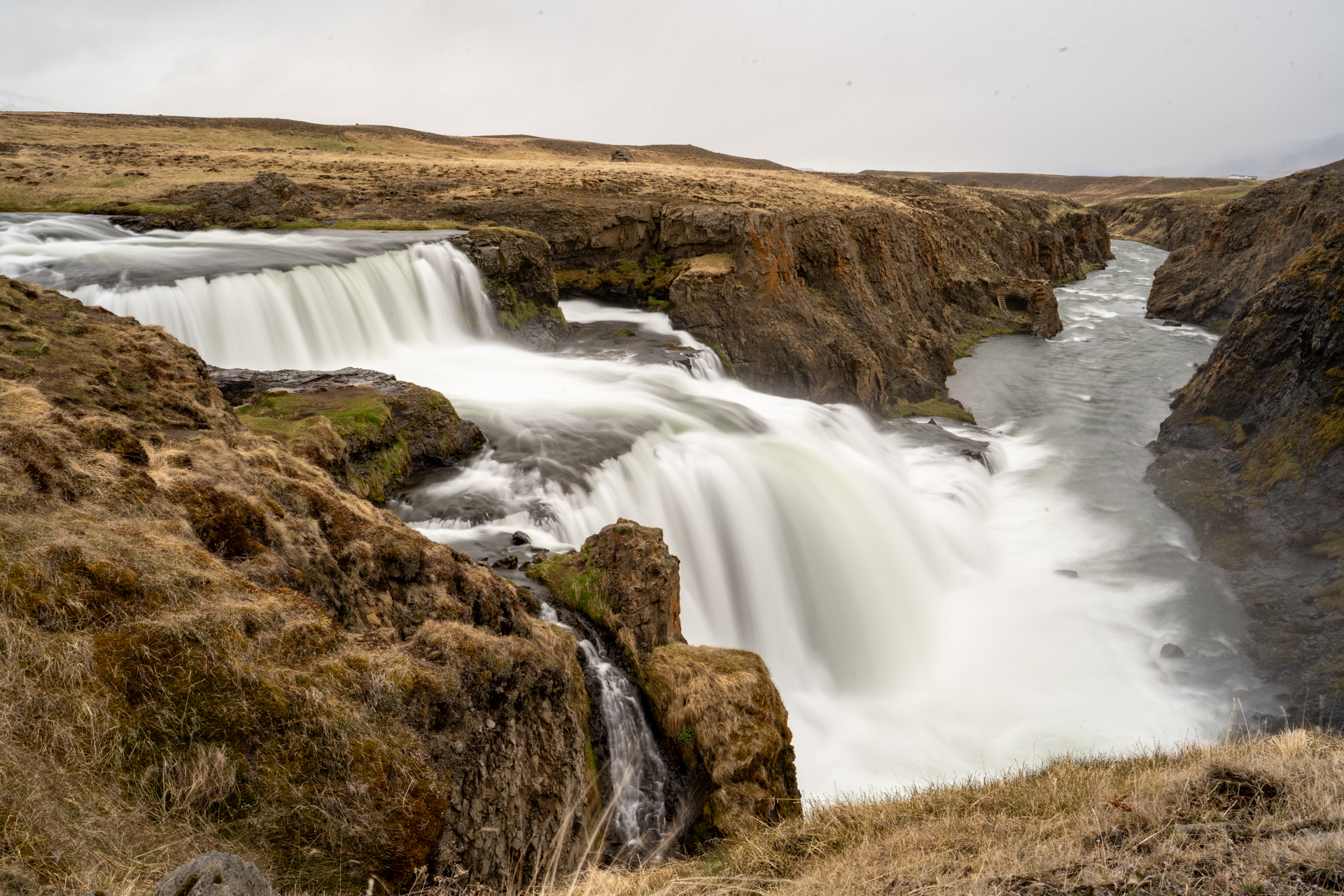
Different photos with Tamron 28-75mm f/2.8 Di III lens
How we use Tamron 70–180mm f/2.8 Di III as our telephoto lens
When we want to get closer without physically moving. Whether it is to to capture wildlife, distant hikers, or capture details in the distance — we switch to the Tamron 70–180mm f/2.8.
We mainly use it for photographing animals or people from a distance, allowing us to stay at a distance while still achieving beautiful, intimate shots. The 70–180mm range gives us the ideal flexibility — from tight close-ups to wider perspectives — making it a reliable companion for both storytelling and detail-oriented photography.


Different photos with Tamron 70-180mm f/2.8 Di III lens
The Osmo Pocket 3 – Our Creative Companion on the Move
Our secondary camera and our primary for videography is the DJI Osmo Pocket 3 and it has quickly become our go-to camera for cinematic filmmaking. It has gimbal stabilization, a compact size and impressive image quality – all of this makes it ideal to use for travel. The camera uses a 1” sensor and can film up to 120fps in 4k.
We use it to a wide variety of situations, everything from hiking shots, documenting situations, wildlife encounters and much more. The camera fits perfectly into our daily rhythm, allowing us to film cinematic footage without any setup time. If you are interested in watching some of our videos then you can check out our YouTube channel.
It’s the tool that keeps us documenting even when our hands are full or we’re simply living in the moment. The DJI Osmo Pocket 3 is so simple to use and can even be used single handed only minus we have encountered is the internal zooming, using that typically results in much lower quality footage.


Photos of and with the DJI Osmo Pocket 3
The Magic Is in the Mix — How These Cameras Complement Each Other
The combination of the Sony A7 IV and DJI Osmo Pocket 3 is two cameras that complement each other very well. Sony A7 IV gives us professional graded visuals and much creative control while the Osmo Pocket provide us with much more freedom, movement and simplicity.
Together, the two cameras allow us to stay creative without missing a single moment — whether we’re hiking across remote landscapes or filming a quick update from the trail, we have the equipment needed for that. Not to say we got all the equipment we wish for, but eventually we will.
What We’ve Learned About Shooting with Two Cameras
Working with two so different cameras and making them work together is not easy. First import thing to do for us was to align the settings in boh cameras, to ensure we captured especially video in same FPS, quality and color grading as possible. This would ease the process when editing it together later on. Another very important thing is to never save money on SD cards nor on SSD harddrives. We primarily use the following type of SD cards and SSD Harddrives:
- For Sony A7 IV we typically use Kingston Canvas React Plus V90 SD – 300MB/s
- For DJI Osmo Pocket 3 we typically use SanDisk Extreme Pro microSD/SD – 200MB/s
- SSD Hardrives we use Samsung T7 and T7 Shield
You can find a detailed gear list and reviews of the gear we use here.
Using two cameras allows us to divide tasks naturally. One of us focuses on stills with the Sony and occasionally close up video of animals or human expressions while the other films handheld with the Pocket 3. This setup helps us stay efficient and creative at the same time while both having fun doing it.
Why This Setup Works for Us
In the end, for us it isn’t about having the most expensive and advanced gear – it’s about having the right gear we need that allow us to tell our story authentically, the right gear we know how to use and we can use together in collaboration. In addition it is extremely important for us, that our gear can be used to take excellent photographs but also amazing videos.
The Sony A7 IV and DJI Osmo Pocket 3 give us exactly that: quality, flexibility, and freedom. Whether we’re deep in nature or exploring new cultures, this setup allows us to stay light, creative, and focused on what truly matters — capturing the endless horizons ahead.
You may also like

Dear Fellow “Late-Starters”
This blogpost originally appeared on The Trek, which you can read here. We’re starting NOBO May 5. Which puts us in the last 3rd of 2026 PCT NOBO thru-hikers. There’s pros and cons to starting in March, April, or May. Any time really. A good few would argue the sweet...

What If I’m Not a Thru-Hiker?
As the trail jitters are becoming more and more real — simultaneously with our start date on the PCT getting closer — this other little thing has started bubbling inside me. A fear. To be honest, a fairly unwanted one. One big, terrifying question, keeps arising now and then.

Building ‘Chasing Endless Horizons’ – our journey to full-time travel
We’re not surrounded by mountains or coconut trees just yet. Our current adventure? Organizing gear, managing savings, selling almost everything we own, and figuring out how to build a website and a social media presence— all while creating content and pretending we know what we’re doing.

Abous Us
Hi there! We are Ditte & Benjamin, a couple going for our dream. We have said goodbye to our known life in Denmark, and hello to an unknown life abroad.
Tag along on our adventure as we explore the wide world, tell stories, embrace the journey and create a life where every horizon is just the beginning. Sharing raw, authentic, and breathtaking moments from a life without limits.




0 Comments